Risk Engineering
Risk engineering refers to the systematic identification, assessment, and mitigation of risks in various industries, with the primary goal of minimizing the impact of potential adverse events on businesses, projects, or operations.
Our professionals in this field, known as risk engineers, use a combination of technical expertise, analytical tools, and industry knowledge to evaluate and manage risks effectively.

Project Planning
Project planning involves the systematic process of defining, outlining, and organizing all the tasks, resources, timelines, and activities required to achieve the project's objectives.
It is a comprehensive roadmap that guides the project from initiation to completion.
Our key elements of project planning include setting clear goals, defining scope, creating a work breakdown structure, estimating resources, developing schedules, and identifying potential risks. A well-thought-out project plan serves as a foundation for decision-making, resource allocation, and overall project control.
Project Administration
Project administration encompasses the day-to-day organizational and logistical activities that ensure the smooth functioning of a project.
This includes tasks such as documentation management, communication coordination, scheduling meetings, maintaining records, handling correspondence, and overseeing resources like office supplies and facilities.
Our Project administrators play a key role in supporting project managers and team members by providing the necessary administrative infrastructure to enable efficient project delivery.
Their responsibilities often include budget tracking, reporting, and ensuring that project documentation complies with organizational standards.
Effective project administration contributes to streamlined project operations, improved communication, and the overall success of the project.

Project Management
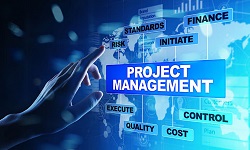
Project management involves planning, organizing, and overseeing the execution of a project to achieve specific goals and meet predetermined success criteria. It encompasses various stages, including initiation, planning, execution, monitoring, and closure.
Our Project managers coordinate resources, schedules, and tasks to ensure that projects are completed efficiently and effectively.

Contract Management
Contract management, on the other hand, is the process of managing contracts from initiation through performance and closeout. It involves negotiating and drafting contracts, ensuring compliance with contractual terms, and resolving any issues that may arise during contract execution.
Our Contract managers aim to maximize value, minimize risks, and establish successful relationships with contractors and other parties involved in the contractual agreements.

Construction Management
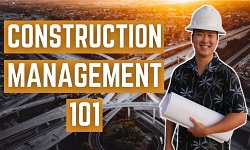
Construction management involves the planning, coordination, and supervision of a construction project from its inception to completion. It encompasses a range of activities, including project design, budgeting, scheduling, procurement of materials and labor, quality control, and safety management.
Our Construction managers play a crucial role in ensuring that a project is completed on time, within budget, and meets specified quality standards. They collaborate with architects, engineers, contractors, and other stakeholders to facilitate smooth communication and coordination throughout the construction process.